
White är ett interdisciplinärt arkitektkontor som arbetar med hållbar arkitektur, design och stadsutveckling i en internationell kontext. Vi arbetar tillsammans i nätverk inom ett flertal kompetensområden och erbjuder en bredd av specialister.
White är ett av Skandinaviens ledande arkitektkontor. Med arkitekturens kraft driver vi omställningen till ett hållbart liv. Vår vision för 2030 är att all vår arkitektur är formstark, regenerativ och klimatneutral.
{{ animatedNumber }}
White grundades för 73 år sedan i Göteborg.
{{ animatedNumber }}
Sedan 2012 har vi genomfört över 350 forskningsprojekt.
{{ animatedNumber }}
Våra CO2e-utsläpp är 61% lägre än 2018.
White är ett interdisciplinärt arkitektkontor som arbetar med hållbar arkitektur, design och stadsutveckling i en internationell kontext. Vi arbetar tillsammans i nätverk inom ett flertal kompetensområden och erbjuder en bredd av specialister.
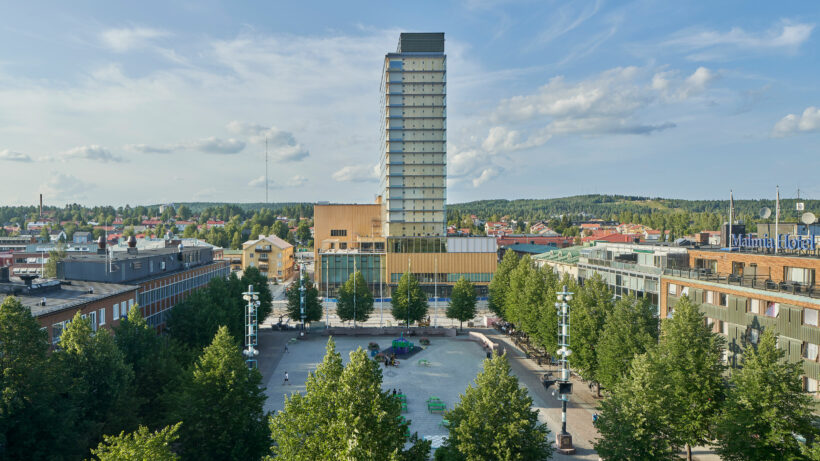
För oss handlar arkitektur om att skapa långsiktiga värden. Med arkitekturens kraft leder vi omställningen till ett hållbart liv och vår vision; år 2030 är all vår arkitektur klimatpositiv.
Våra expertis inom området arkitektur omfattar bland mycket annat arkitektur inom områdena boende, lärandemiljöer, kultur och natur, transformation samt hälsofrämjande arkitektur.
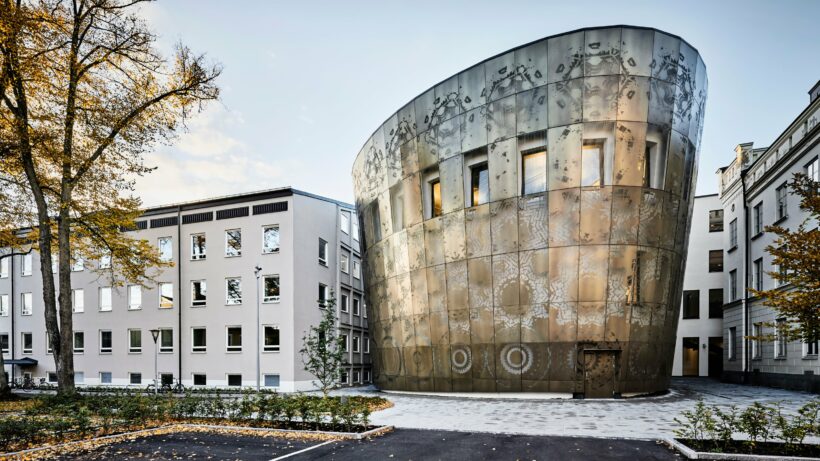
Vår digitaliseringspraktik hjälper samhällsbyggare uppnå hållbarhet i projekt och affär. Integrationen av design och data accelererar sammansmältningen av den byggda miljön och digital teknologi i nya upplevelser och möjligheter för medborgare, företag och samhälle.
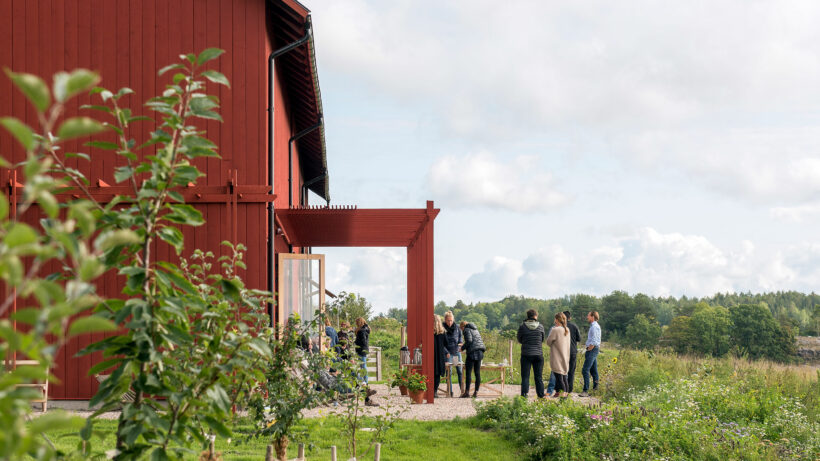
White har lång erfarenhet av att driva hållbarhetsfrågor i projekt och vi erbjuder ett brett utbud av tjänster. Vår styrka är att vi har en helhetssyn på hela planerings- och byggprocessen och oavsett om det gäller miljö, klimat, sociala aspekter eller ekonomiska värderingar kan vi driva hållbarhet från vision, planering, program och projektering till byggskede och förvaltning.
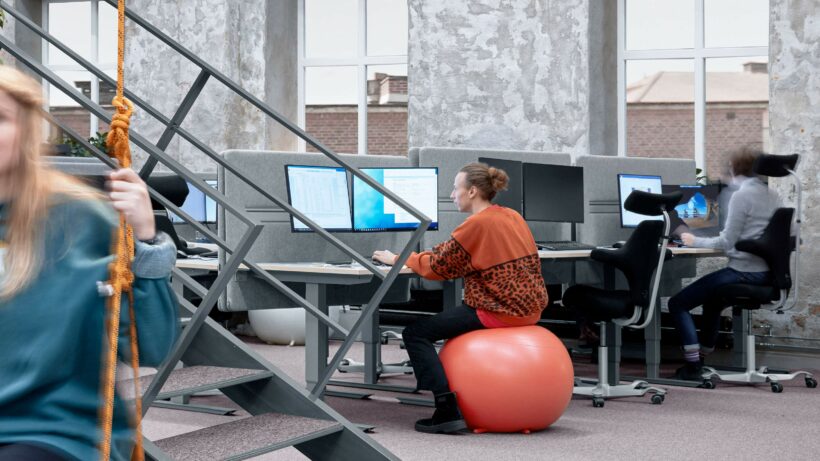
Vi tänker nutida för framtida behov och ritar med tanke på det som kom före – med omtanke om det som kommer efter. Att tillsammans skapa en miljö för människors välbefinnande inom ramen för de resurser vi har.
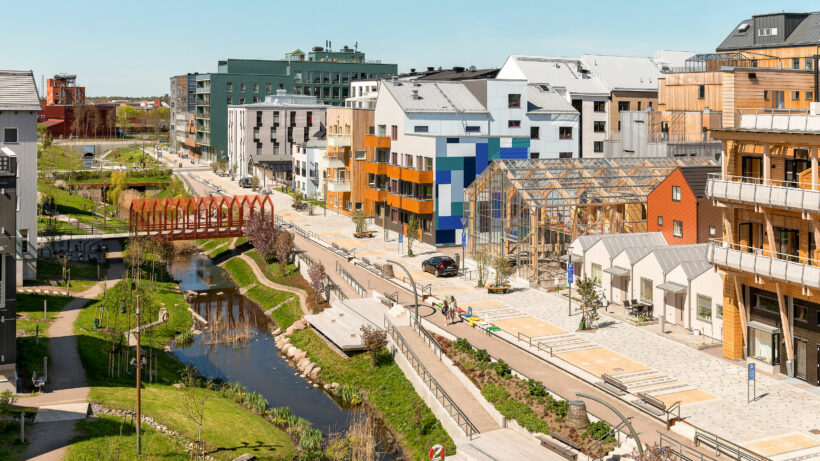
Vi har ägnat årtionden åt landskapsarkitektur som får stora städer att vara människovänliga, små städer att vara attraktiva, bortglömda platser att bli upplysta, naturreservat att besökas. Vår ambition är att ge människor gröna levnadsutrymmen i förtätade områden, inspirera till rörelse och välmående, förmedla harmoni och få städer att utvecklas klimatvänligt.
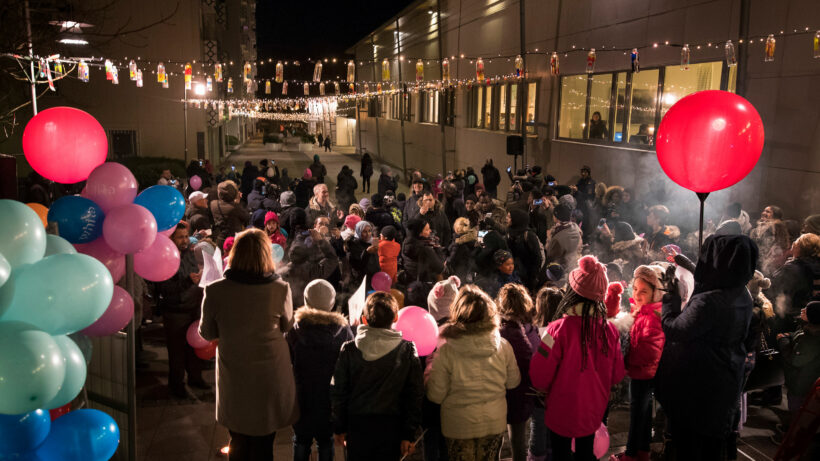
Med ljuset som verktyg utvecklar vi hållbara livsmiljöer som inspirerar och inkluderar. Vår vision är att med växlande ljuskvaliteter över dygnet bidra till en arkitektur som berör och sätter livet i centrum. Ljus är en viktig aspekt för hälsa och välbefinnande, för trygghet och gemenskap, för klimatet och den biologiska mångfalden.
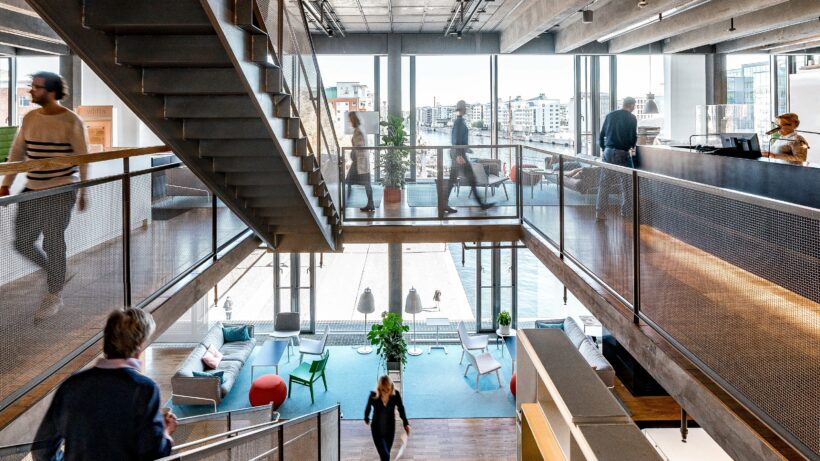
För rätt slutresultat i ditt byggprojekt krävs kvalificerad projektledning och helhetstänk från början till slut. När White tar den rollen kan du vara säker på två saker. Dels har vi ett tydligt fokus på din affär, dels blir förutsättningarna för hållbar arkitektur bättre.
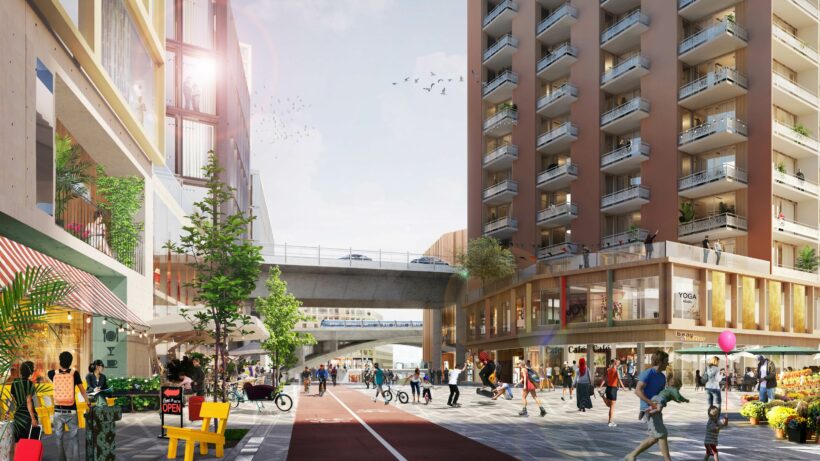
Demokratisk stadsbyggnad handlar om att skapa inkluderande miljöer med få barriärer, och samtidigt bevara platsens unika karaktär. Med ett normkreativt öga kartlägger vi och tar avstamp i det som redan finns för bra stadsmiljöer hänger samman, är intressanta, trygga och funktionella. Miljöer som rymmer olikheter och mångfald, där stadsliv och stadsform stödjer varandra.
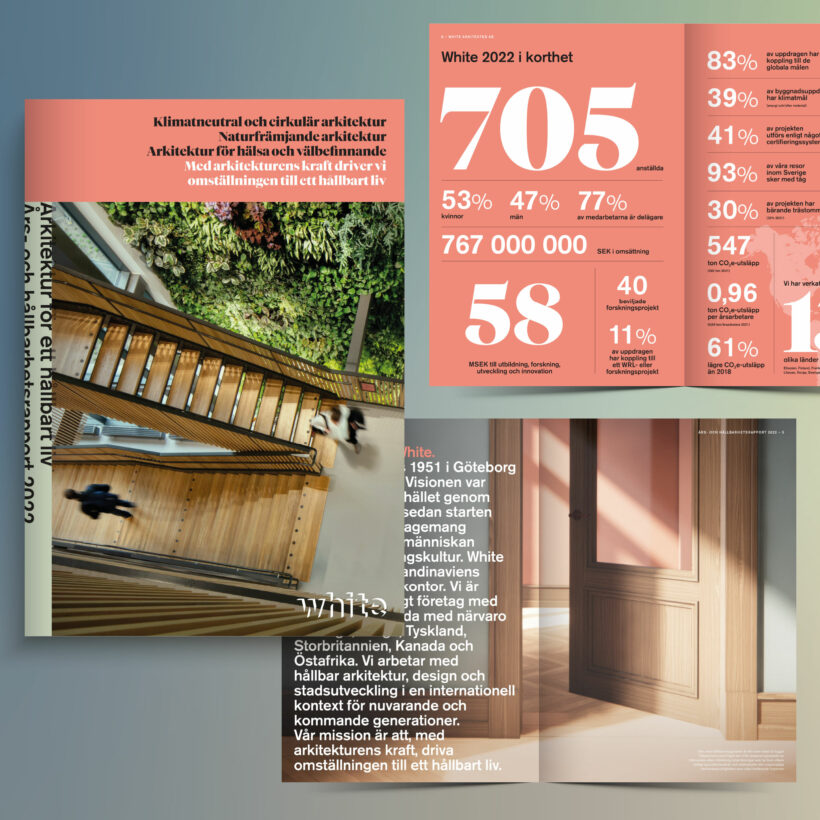
Drivet mot en hållbar omställning visar vägen genom en svagare tillväxt för bygg- och fastighetsbranschen under 2022. EU:s ”Green Deal” lyfter arkitektur och formgivning som centrala framgångsfaktorer för en hållbar utveckling. För White handlar hållbarhet om att skapa arkitektur som är klimatneutral, cirkulär och naturfrämjande samt bidrar till att stärka hälsa och sociala värden.
Laddar...